

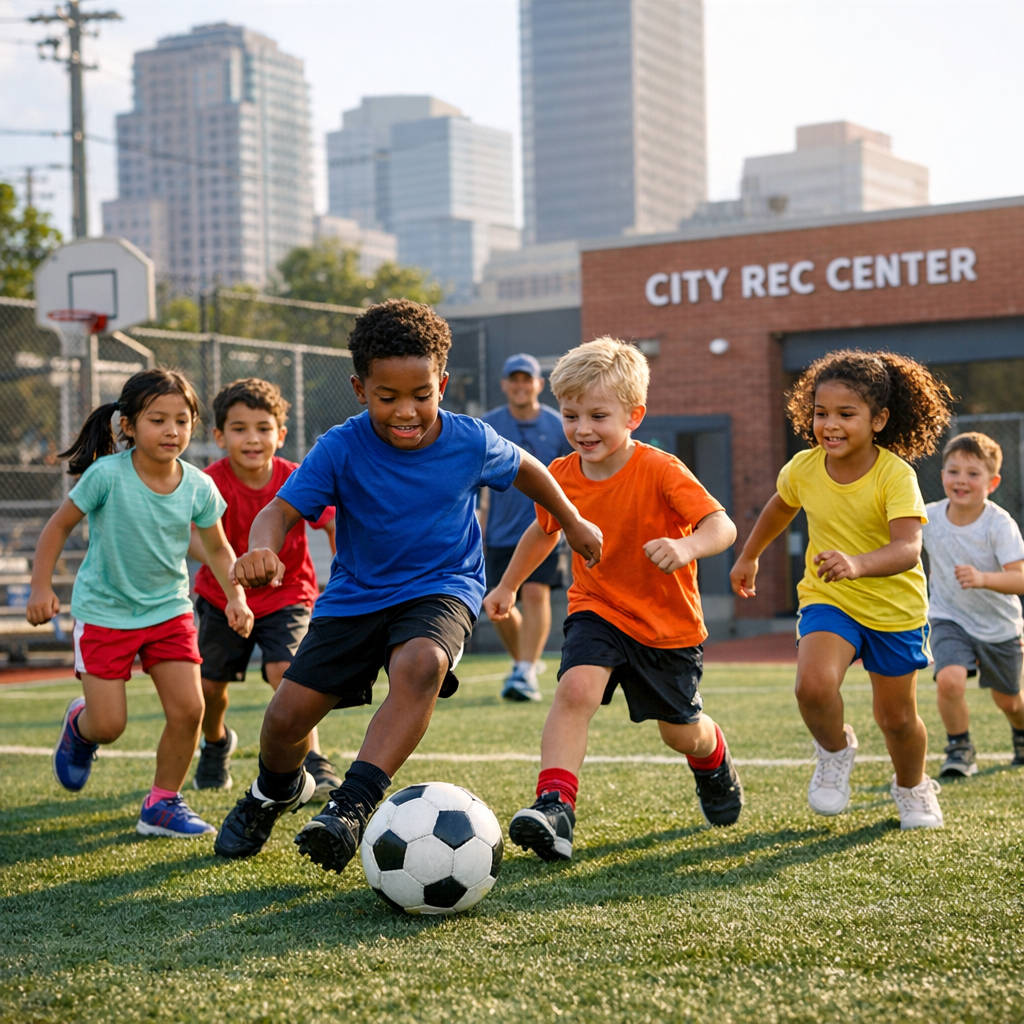
Philadelphia’s identity on game days doesn’t start with the pros—it begins in our neighborhoods. From rec centers to college courts, youth sports are the heartbeat of the city, shaping lives far beyond the scoreboard.
More Than Just a Game
Joining a youth sports program isn’t only about competition. Kids involved in organized sports benefit in many ways:
- Physical health: regular activity promotes fitness and reduces risks of obesity and related issues.
- Mental and emotional lift: teamwork and personal improvement build confidence and calm stress.
- Skill development: coaches help youth cultivate discipline, communication, and leadership.
- Community connection: families and neighbors gather for games, strengthening local bonds.
Key Local Programs Doing the Work
Several organizations in Philly are stepping up, creating pathways and removing barriers for kids eager to play:
Police Athletic League of Philadelphia (PAL)
Serving more than 26,000 youth at 18 community and school-based centers, PAL offers free athletic, recreational, and educational programming. Much more than sports, it builds mentorship and opportunity in underserved neighborhoods. PAL’s motto—”Cops Helping Kids”—reflects its mission to address disparities in access to sports and safe spaces.
Philadelphia Youth Sports Collaborative (PYSC)
PYSC operates with neighborhood partners to introduce young people to organized sports. Their model includes:
- Entry-level offerings like the Octavius Catto Youth Baseball League or beginner tennis programs.
- Programs tailored specifically for girls—such as Philly Girls Got Game—that connect them with female coaches, role models, and health education.
- Training and support for coaches, recognizing that quality mentorship is essential.
Challenges Along the Way
Even with strong programs, Philly faces hurdles to expanding access:
- Lack of volunteer coaches: many leagues cite difficulty recruiting committed, equipped adults.
- Facilities in need of repair or renovation—recreation centers and fields often struggle with upkeep.
- Resource inequalities: underfunded neighborhoods frequently lack the same opportunities available in more affluent areas.
- Competing priorities: with private pay-to-play clubs growing, some families find cost to be a barrier and opt out of public or volunteer-led options.
Looking Ahead: What Philly Can Do
Capitalizing on youth sports’ impact means supporting what works and investing in what’s missing. Here are paths forward:
- Increase funding for community-based leagues and facility maintenance.
- Expand coach training—especially in trauma-informed practices, inclusion, equity, and growth mindset.
- Create partnerships between schools, nonprofits, city agencies, and local sports clubs to share resources.
- Prioritize programs for girls and for neighborhoods that currently lack access. Initiatives like Philly Girls Got Game show the blueprint.
Why It Matters
Every city has its stadiums, but what sets Philadelphia apart is the youth who show up before the stadium lights turn on. When young people have access to sports—safe fields, devoted coaches, no cost barriers—an entire community wins. Our next pros, our leaders, our neighbors, grow in those first practices, those muddy fields, those cheering parents.
We’re strongest when everyone in every neighborhood gets to take the field.