

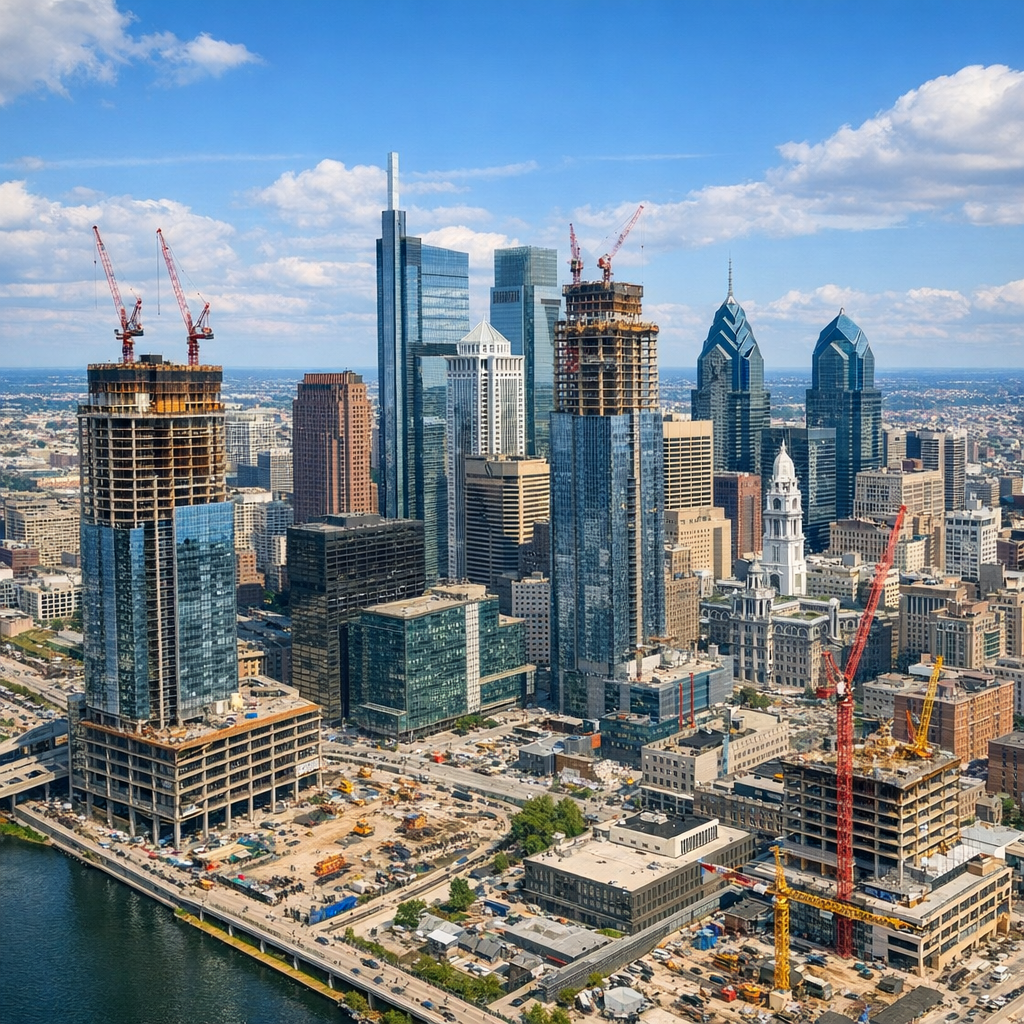
Philadelphia’s real estate market is experiencing notable shifts, with rising home prices, evolving rental dynamics, and significant development projects reshaping the city’s housing landscape.
Home Prices and Market Trends
As of early 2026, the median sale price for homes in Philadelphia reached $265,000, marking a 6% increase from the previous year. Homes are selling after an average of 70 days on the market, indicating a somewhat competitive environment. Despite this, the number of homes sold has decreased, with 813 transactions in February 2026 compared to 887 in the same month the previous year.
Rental Market Dynamics
The rental market remains robust, with the average rent in Philadelphia at $1,758 as of March 2026. This figure represents a 2.9% year-over-year increase, reflecting sustained demand for rental properties. The city’s rental rates are slightly below the national average, making it an attractive option for residents seeking affordability.
Development Initiatives and Affordable Housing
To address housing affordability and availability, several significant development projects are underway:
H.O.M.E. Initiative
Mayor Cherelle L. Parker’s Housing Opportunities Made Easy (H.O.M.E.) Initiative aims to invest $2 billion over four years to build, preserve, and restore 30,000 housing units. This ambitious plan seeks to provide quality homes for residents across various income levels.
Brith Sholom Apartments Redevelopment
A $50 million investment by the Philadelphia Building and Construction Trades Council is set to redevelop the Brith Sholom Apartments in Wynnefield. This project will create 336 affordable senior apartment homes and generate 545 union construction jobs, marking a significant step toward enhancing affordable housing options for seniors.
Westpark Redevelopment
The Westpark Redevelopment project in West Philadelphia is transforming a vacant public housing site into a mixed-income community. Phase 1 includes 327 new homes, with nearly 140 units reserved for returning residents and a total of 190 units designated as affordable housing. The project also features significant infrastructure improvements and green spaces.
Homeownership Trends
Philadelphia homeowners are holding onto their properties longer, with an average tenure of 9.5 years, surpassing the national average of 8.6 years. This trend contributes to limited housing inventory and sustained high home prices, posing challenges for prospective buyers.
Conclusion
Philadelphia’s real estate market is characterized by rising home prices, a competitive rental landscape, and proactive development initiatives aimed at increasing affordable housing. Prospective buyers and renters should stay informed about these trends to navigate the evolving market effectively.