

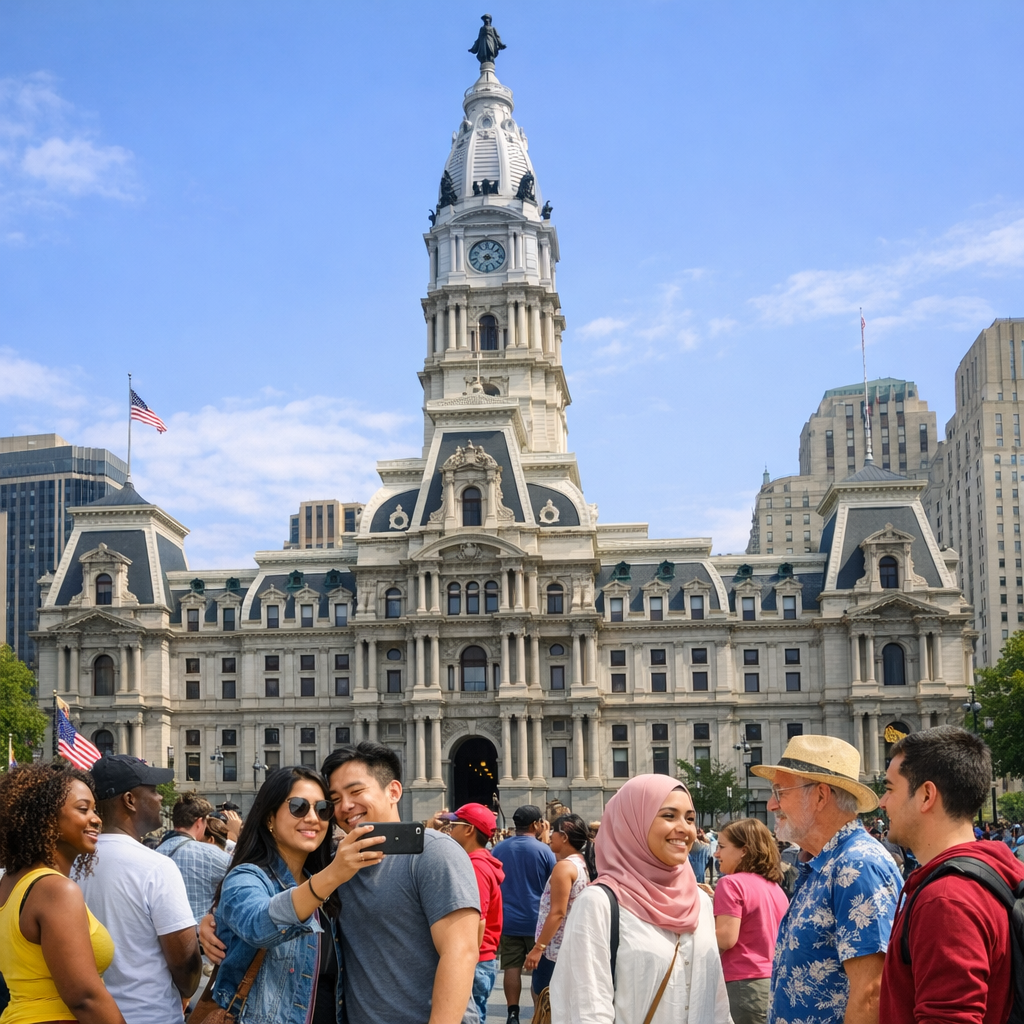
Philadelphia has long been recognized for its sanctuary city status, a designation that underscores its commitment to protecting undocumented residents from federal immigration enforcement. This commitment was recently reinforced when Mayor Cherelle L. Parker signed six out of seven ‘ICE Out’ bills into law, further limiting the operations of U.S. Immigration and Customs Enforcement (ICE) within the city.
The newly enacted legislation prohibits the city from entering 287(g) contracts, honoring ICE detainers, or providing local assistance for federal immigration interrogations and raids. Additionally, it restricts ICE agents’ access to city property, effectively banning raids on such premises. These measures aim to solidify Philadelphia’s stance against federal immigration enforcement within its jurisdiction.
However, Mayor Parker chose not to sign one particular bill that would have prohibited law enforcement officers from wearing masks during operations. Despite this, the bill will still become law, as it was passed by a supermajority in the City Council. The decision not to sign this specific bill has sparked discussions about the balance between operational security for law enforcement and transparency in their activities.
These legislative actions have elicited varied responses from the community. Immigrant rights organizations have lauded the city’s efforts to protect vulnerable populations, emphasizing the importance of creating a safe environment for all residents. Conversely, some community members express concerns about potential conflicts between local and federal authorities and the implications for overall public safety.
As Philadelphia continues to navigate its role as a sanctuary city, these developments highlight the ongoing dialogue between local governance, community interests, and federal policies. The city’s proactive stance serves as a case study in balancing the complexities of immigration enforcement and community protection.