

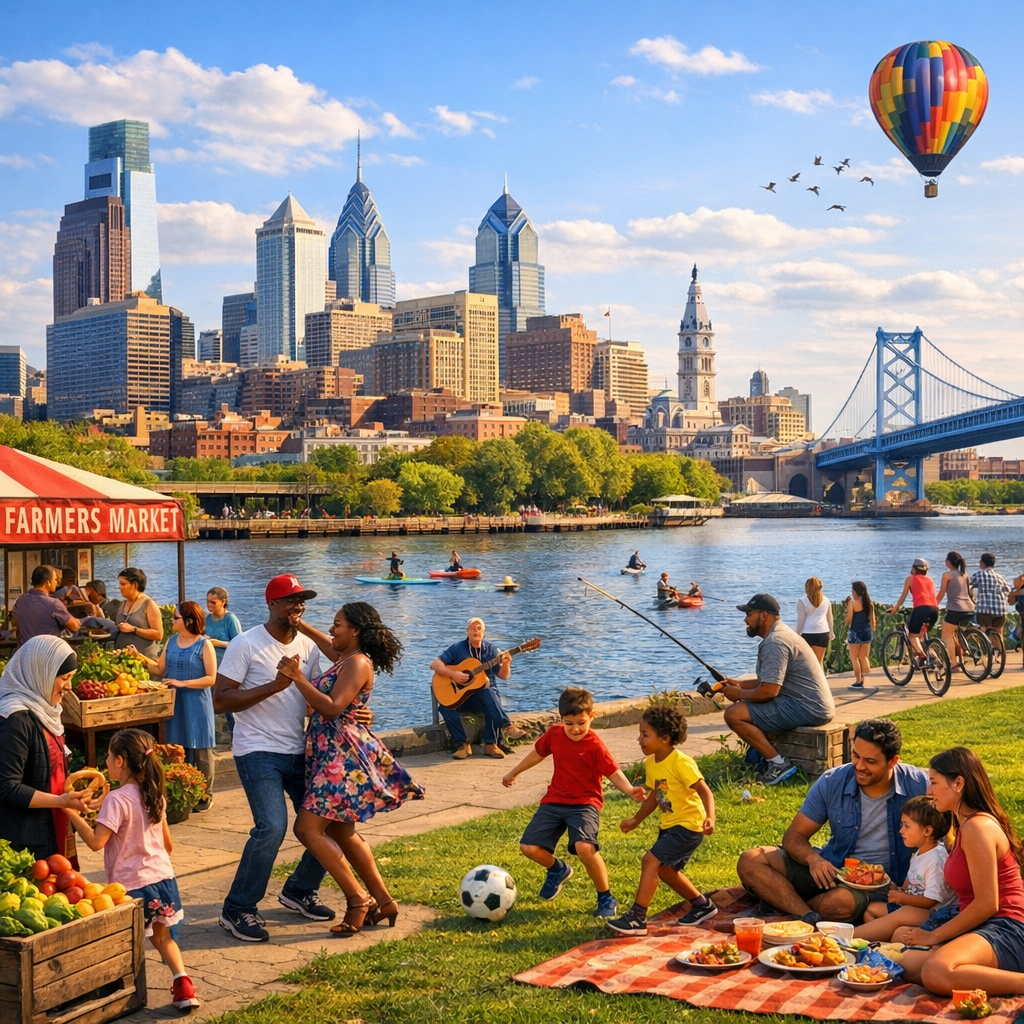
As national policies continue to evolve, their effects are increasingly felt at the local level. In Philadelphia, recent federal decisions have prompted significant changes across various sectors, influencing the city’s social fabric and infrastructure.
Immigration Enforcement and Sanctuary Policies
Philadelphia has long been recognized for its commitment to protecting immigrant communities. This dedication was recently reinforced when Mayor Cherelle L. Parker signed six out of seven ‘ICE Out’ bills into law. These measures aim to limit U.S. Immigration and Customs Enforcement’s operations within the city, effectively codifying Philadelphia’s sanctuary policies. The legislation prohibits the city from entering 287(g) contracts, honoring ICE detainers, or providing local assistance for federal immigration interrogations and raids. This move underscores the city’s stance on safeguarding its diverse population amidst shifting federal immigration policies. [Source: The Philadelphia Inquirer]
Education Infrastructure Overhaul
In response to national discussions on educational reform and infrastructure, the School District of Philadelphia has embarked on a comprehensive facilities plan. The Board of Education approved a $3 billion initiative that includes the closure of 17 schools beginning in the 2026-27 school year. This decision aims to address aging buildings and align the district’s resources with current student enrollment and academic programs. While the plan seeks to modernize educational facilities, it has faced strong pushback from the community, highlighting the complexities of implementing large-scale educational reforms at the local level. [Source: K-12 Dive]
Public Safety and Crime Reduction
National trends in crime reduction have been mirrored in Philadelphia, with the city experiencing a significant decrease in homicides. Data indicates a 56% reduction in homicides compared to the previous year, with some police districts reporting no murders since January 1. This decline reflects the effectiveness of local law enforcement strategies and community initiatives aimed at enhancing public safety. The positive trend aligns with broader national efforts to address crime and improve the quality of life in urban areas. [Source: CBS Philadelphia]
Economic Impacts of National Events
Philadelphia’s economy is poised to benefit from hosting major national events, such as the upcoming FIFA World Cup. The tournament is projected to generate approximately $770 million in economic impact for the region. However, the influx of visitors and heightened activity have also raised concerns among residents about potential disruptions, including increased traffic and strain on city infrastructure. Balancing the economic opportunities with the logistical challenges remains a focal point for city planners and community leaders. [Source: Axios Philadelphia]
In conclusion, Philadelphia’s response to national policy shifts illustrates the intricate interplay between federal decisions and local realities. The city’s proactive measures in immigration enforcement, education reform, public safety, and economic planning demonstrate a commitment to adapting to national trends while addressing the unique needs of its residents.